Prescription sports glasses: a practical guide for active people
Prescription sports glasses are designed for people who need clear vision while playing sport or exercising. They combine vision correction with frames and lenses made to handle movement, impact, glare, and changing outdoor conditions.
This guide explains what prescription sports glasses are, who they are for, and how they differ from everyday glasses, so you can make an informed decision about your eye care and sports eyewear.
Quick summary
Prescription sports glasses correct your vision while protecting your eyes during sport
Running glasses and running sunglasses improve comfort, clarity, and glare control
Sport sunglasses can be fitted with prescription lenses
Cricket shades often require prescription lenses for accurate performance
Standard glasses are not designed for sport and are easily damaged
Contact lenses can be an alternative for some sports
What are prescription sports glasses?
Prescription sports glasses are glasses or sunglasses fitted with lenses made to your prescription and placed into frames designed for physical activity. These frames are typically lighter, more secure, and more impact resistant than everyday glasses.
They are commonly used for running, cricket, cycling, and other outdoor sports where clear vision, eye protection, and stability are important. The purpose is to keep your vision clear without the distractions caused by slipping frames, glare, or wind.
Who benefits from prescription sports glasses?
Prescription sports glasses are suitable for anyone who needs vision correction and plays sport regularly. This includes people who normally wear glasses for distance, reading, or both.
They are especially useful if you notice blurred vision during sport, struggle with glare in bright conditions, or find that your everyday glasses move or feel uncomfortable when you are active.
Running glasses and running sunglasses
Running places unique demands on eyewear. Continuous movement, sweat, wind, and exposure to sunlight can all affect visual comfort.
Running glasses are designed to stay in place while you move. They help protect your eyes from wind, dust, and insects, which can be distracting during longer runs.
Running sunglasses provide the same stability while also reducing glare and blocking UV light. This can help reduce eye strain and improve comfort, particularly during early morning or afternoon runs. Prescription options allow runners to maintain clear vision without relying on standard sunglasses. Suitable options are available through our range of running sunglasses.
Sport sunglasses and prescription lenses
Sport sunglasses are used across many outdoor activities, including running, cricket, cycling, and golf. They are usually designed with a wrap-style shape to reduce light entering from the sides and to improve stability during movement.
When fitted with prescription lenses, sport sunglasses help maintain clarity, contrast, and depth perception. This is important in sports that involve tracking fast-moving objects or judging distances accurately. You can view suitable frame options across our sport sunglasses range.
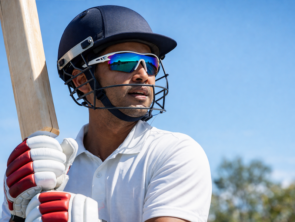
Do you need prescription lenses for your cricket shades?
Cricket relies heavily on visual accuracy. Seeing the ball clearly, judging its speed, and reacting quickly all depend on good vision.
If you normally wear glasses, prescription lenses are often recommended for your cricket shades. Even small levels of blur can affect performance, timing, and confidence. Many people ask, do you need prescriptions for your cricket shades? If you need vision correction off the field, prescription lenses are usually the right choice on the field as well.
Prescription cricket shades can also help manage glare during long periods of play in bright sunlight.
Why standard glasses are not suitable for sport
Everyday glasses are not designed for physical activity. During sport they are more likely to slip, fog up, or break if knocked.
We regularly see patients who come in after damaging glasses during sport. While our glasses repairs and maintenance service can help repair accidental damage, sports-specific eyewear is usually a better long-term solution for active lifestyles.
What brands and options are available?
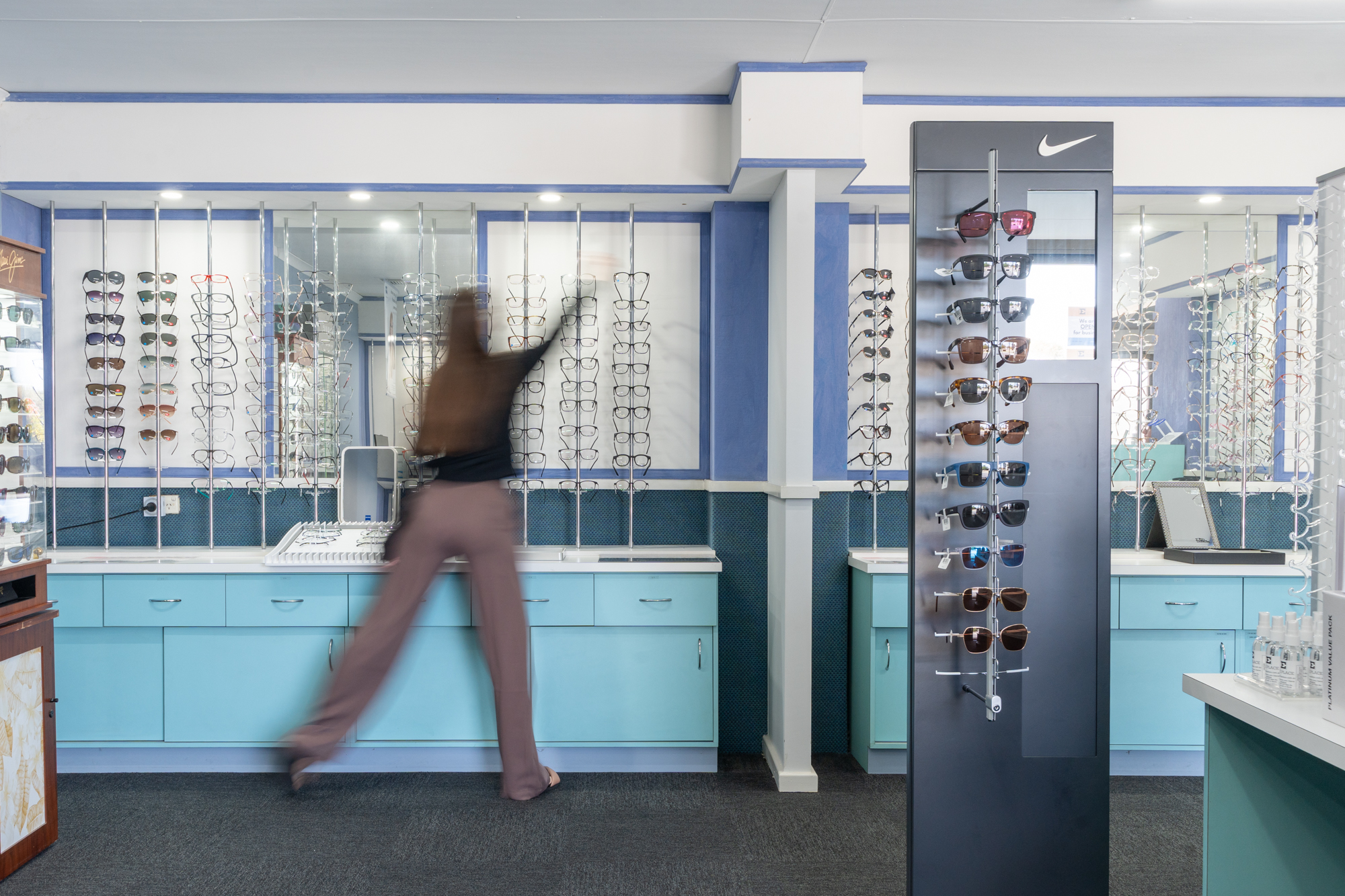
Sports eyewear comes in a range of frame styles and lens options to suit different activities and prescriptions. We stock trusted brands like Oakley prescription glasses, which are known for secure fits and sport-focused designs. You can view our full range of available options on our brands page for more information.
Can’t wear glasses during your sport?
Some sports make wearing glasses impractical, such as contact sports or activities that require helmets or protective headgear.
If you cannot wear glasses during your sport, contact lenses may be a suitable alternative. If you cannot wear glasses during your sport, we offer contact lens services through our contact lens consultation. This allows us to assess whether contact lenses are appropriate for your eyes, lifestyle, and level of activity.
Choosing the right prescription sports eyewear
Choosing prescription sports glasses depends on several factors, including:
Your prescription and visual needs
The sport or activity you participate in
Light conditions and sun exposure
Comfort, fit, and stability during movement
Taking the time to match eyewear to your activity helps ensure it performs well in real-world conditions.
Book an eye test or sports eyewear consultation
If you are active and need clear vision during sport, prescription sports glasses can offer practical benefits. An eye test and discussion about your sport can help determine the most suitable eyewear option for you.
Stephanie is an owner optometrist, researcher and educator. She has held clinical, teaching and research roles in Australia and overseas, and has extensive training and clinical experience. Stephanie is also the head optometrist at E Eye Place, on top of this, she is also currently a PhD candidate at UNSW. Dr Stephanie Yeo Optometrist BOptom (HC1) GradCertOcTher DOPT (Merit) CO Ophthalmic Medicines Prescriber.